
US Crypto Market Structure Bill Delayed, Stablecoin Yield Compromise Becomes This Week's Negotiation Focus | YayaNews Analysis
This article analyzes the background behind the delayed release of the US Cryptocurrency Market Structure Bill and provides an in-depth look at this week's revisions and industry negotiations surrounding stablecoin reserve yield provisions. It explores the potential impact of the regulatory process on the future landscape of the crypto market.
Key Legislative Process for Crypto Market Regulation Delayed, Stablecoin Yield Proposal Becomes This Week's Focus
According to sources in Washington, the formal release of the highly anticipated US Cryptocurrency Market Structure Bill has been postponed. This key legislation, aimed at providing a comprehensive regulatory framework for the digital asset sector, has been hindered as bipartisan negotiations on several core issues require further discussion. Meanwhile, this week's focus has shifted to the revised provisions concerning stablecoin regulation within the bill. In particular, the "yield compromise proposal"—which would allow stablecoin issuers to earn returns on reserve assets—is sparking intense debate between the industry and regulators.
Market Structure Bill: The Difficult Birth of a Comprehensive Framework
The Cryptocurrency Market Structure Bill is seen as one of the most significant attempts by the US Congress to establish clear "rules of the road" for the crypto industry. One of its core objectives is to clarify the division of regulatory jurisdiction between the Securities and Exchange Commission (SEC) and the Commodity Futures Trading Commission (CFTC) over various crypto assets, addressing long-standing regulatory ambiguity. A draft of the bill proposed that if a cryptocurrency is fully functional and decentralized on its blockchain, it could be classified as a commodity, placing it primarily under CFTC oversight.
However, precisely this definition of "decentralization," licensing requirements for exchanges, and details on investor protection have become major stumbling blocks in the legislative process. Proponents argue that clear regulation will attract traditional capital and foster innovation; critics worry that rules that are either too lenient or too strict could respectively introduce risks or stifle the industry. This delay indicates that, within the complex political environment of an election year, the challenge of reaching a comprehensive bill that balances diverse interests remains substantial.
Stablecoin Yield Compromise: The Core Battleground for Industry Lobbying
Against the backdrop of the overall bill's delay, lawmakers' focus this week has turned to its standalone chapter on payment stablecoins. It is reported that a revised "yield compromise proposal" is under intense discussion, potentially representing the most substantive progress this week.
The core of the controversy is: Should stablecoin issuers be allowed to invest the cash reserves backing their stablecoins and earn a yield? One faction, represented by certain members of Congress, insists on the principle of "100% high-quality liquid asset reserves," arguing this is crucial to ensure stablecoin solvency and prevent a repeat of events like the 2022 Terra/Luna collapse. They advocate that reserves should primarily be held in extremely low-risk assets like Treasury securities and cash, and that any yield should not accrue to the issuer.
On the other side, entities like Circle (issuer of USDC) and some industry advocacy groups are actively lobbying to allow issuers to invest a portion of reserves in safe assets like Treasury securities and retain the earnings. Their argument is that reasonable yield can cover operational costs, incentivize compliance, and provide a buffer for redemption mechanisms, thereby enabling a healthier, more sustainable business model. Otherwise, issuers would be forced to rely solely on other revenue streams like transaction fees, potentially affecting the competitiveness of stablecoins as payment tools.
Leaked revisions suggest a possible compromise: allowing issuers to retain some yield, but under extremely strict restrictions on the types, maturities, and credit ratings of permissible investment assets. Additionally, any excess yield might need to be directed into capital buffers or for public benefit purposes. Market observers view this development as a signal that industry lobbying has made some headway. However, the final stringency of the terms will directly determine their appeal to mainstream financial institutions considering issuing stablecoins.
Impact of the Delay and Market Outlook
The bill's delay has introduced some short-term uncertainty into market sentiment. Investors had hoped a clear regulatory framework would reduce policy risk and clear the path for large-scale institutional entry. This postponement means the arrival of that certainty has been pushed back once more.
However, from a positive perspective, the intensive discussions around stablecoin provisions indicate the legislative process is not stalled but is seeking breakthroughs in its most feasible parts. Stablecoins, as infrastructure connecting traditional finance with the crypto world and closely tied to payment systems, have a relatively greater urgency and likelihood of reaching regulatory consensus. A breakthrough on stablecoin regulation could provide a template and momentum for other parts of the legislation.
From a broader view, the slow progress of US crypto legislation contrasts with developments in other global regions. The European Union's Markets in Crypto-Assets (MiCA) regulation is fully in effect, providing predictable rules for the industry. This divergence in regulatory pace may influence the short-term flow of capital and innovation between regions.
For the market, the prices of key assets like Bitcoin and Ethereum have recently been driven more by macroeconomic expectations, spot ETF fund flows, and their own halving cycles. While regulatory news can cause volatility, it has not yet become the core variable determining long-term trends. However, should the US Market Structure Bill or a stablecoin bill achieve a substantive breakthrough, it could very well become a major catalyst reshaping the industry landscape.
Conclusion: Progress Amidst Negotiation
The delay of the Cryptocurrency Market Structure Bill and the fierce debate over stablecoin yield provisions vividly illustrate the complex negotiations the crypto industry must navigate as it integrates into the mainstream financial system. This is not merely about crafting technical rules but balancing interests, philosophies, and risk appetites. This week's discussions on the stablecoin yield compromise proposal, regardless of the outcome, will provide a significant footnote to the eventual shape of US digital asset regulation. The market watches and waits, the industry adjusts through lobbying, and the contours of regulation gradually become clearer through these repeated delays and revisions.
Risk Warning: The above content is based solely on publicly available information for analysis and does not constitute any investment advice. The cryptocurrency market is highly volatile, and regulatory policy changes are uncertain. Investors should fully understand the associated risks and make prudent decisions based on their own financial situation and risk tolerance.
Disclaimer
The content of this article is synthesized from public information sources such as RSS feeds. This article is for informational purposes only and does not constitute any investment advice. Financial markets carry risks, and investment requires caution. The data and opinions herein are current as of the time of publication and may change with market developments.
Begin Your Trading Journey
Yayapay provides secure and convenient global asset trading services. Register Now →
Topics & Symbols
Continue Reading
Related Reading
Ethereum Spot ETF Approval Imminent: Can ETH Replicate Bitcoin's ETF Success? | In-Depth Analysis
This article provides an in-depth analysis of the SEC's progress on Ethereum spot ETF approvals, shifting market expectations, and the potential impact on ETH's price. It explores the opportunities and challenges an Ethereum ETF could bring to the crypto ecosystem and compares its path to that of Bitcoin ETFs.

Korea Investment & Securities Eyes Stake in Coinone: Traditional Finance Enters Korean Crypto Market
Major South Korean brokerage Korea Investment & Securities is reportedly in talks to acquire a stake in cryptocurrency exchange Coinone, signaling a strategic move by traditional finance into the digital asset space amid evolving regulations.

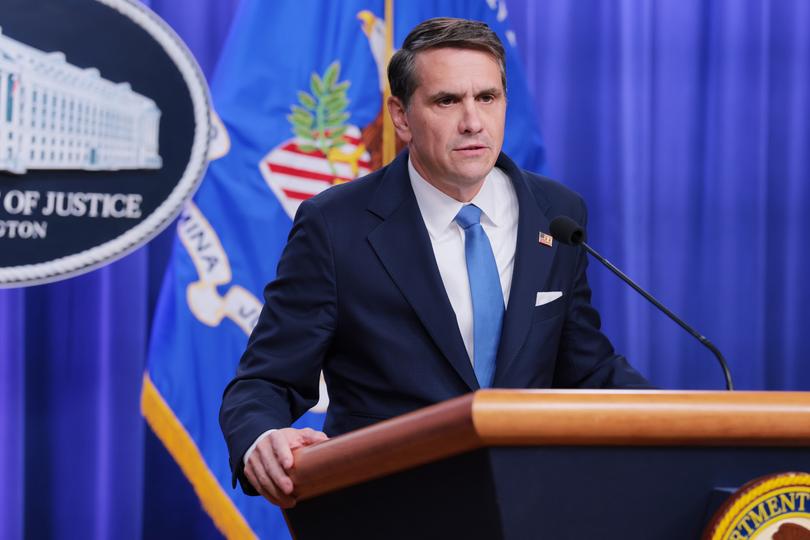
Todd Blanche, Author of DOJ Crypto Enforcement Memo, Appointed Interim Associate Attorney General, Signaling Potential Shift in US Regulatory Focus
A key personnel change at the US Department of Justice sees Todd Blanche, a principal author of the agency's cryptocurrency enforcement framework, appointed as Interim Associate Attorney General. This analysis explores the potential impact of his role shift on future crypto regulation and enforcement priorities.
Ethereum Layer 2 Ecosystem Deep Dive: Will Arbitrum, Optimism, or zkSync Lead the Next Wave of DeFi and NFTs?
This article provides a comprehensive scan of the Ethereum Layer 2 scaling ecosystem, offering an in-depth comparison of the technical paths and competitive landscape of Arbitrum, Optimism, and zkSync. It analyzes how these solutions are becoming key infrastructure for driving the next wave of mass adoption in DeFi and NFTs by reducing costs and enhancing performance.
