CFTC Warns Insider Trading Rules Apply to Prediction Markets: Compliance Risks Rise
CFTC enforcement chief warns that insider trading prohibitions extend to prediction markets, correcting the misconception that such markets are exempt from anti-insider trading laws. This marks the first systematic extension of traditional securities regulations to the prediction market sector.
The head of enforcement at the U.S. Commodity Futures Trading Commission (CFTC) has issued a clear warning regarding the regulatory stance on prediction markets: the prevailing narrative in mainstream and social media that 'insider trading rules don't apply to prediction markets' is completely erroneous. This statement marks the first time the U.S. derivatives regulator has publicly and systematically extended traditional securities market anti-insider trading rules to the prediction market sector, drawing significant industry attention.
CFTC's Clear Warning: Prediction Markets Are Not a Regulatory Blind Spot
According to reports, the CFTC enforcement chief stated publicly that insider trading prohibitions also apply to prediction market trading activities. The official emphasized that market participants should not mistakenly believe prediction markets exist in a regulatory vacuum, and any actions involving the use of non-public information for trading to obtain improper benefits will face enforcement consequences.
Prediction markets are trading platforms where participants place bets on event outcomes. Investors can make predictions and wager on political elections, sports events, economic data, and even corporate earnings. In recent years, with the rise of platforms like Polymarket and Kalshi, the prediction market sector has continued to expand, attracting substantial institutional investors and individual traders.
Regulatory Gray Areas Become History
Prediction markets have long existed in a regulatory gray area. Since the trading instruments in prediction markets do not fall under traditional securities categories and often exist in the form of commodity contracts or swap instruments, regulatory authorities in various countries have exercised relatively limited oversight. This has led some market participants to mistakenly believe they can circumvent insider trading regulations in this sector.
However, the CFTC's clear statement means this regulatory gap will no longer exist. As the supreme regulatory body for the U.S. derivatives market, the CFTC holds comprehensive jurisdiction over commodity futures and swap markets. The public statement from the enforcement chief is not merely a declaration of regulatory stance, but also a clear warning to market participants.
Compliance Risks Investors Need to Focus On
For investors active in prediction markets, the CFTC's latest position introduces significant compliance risks. First, any trading activities conducted after obtaining non-public information may constitute insider trading violations, even if the relevant trading occurs on prediction market platforms rather than traditional stock exchanges.
Second, institutional investors need to establish stricter information isolation systems when participating in prediction markets. If company employees or related parties use information obtained through their positions for trading in prediction markets, they may face the same legal consequences as in securities insider trading cases.
Additionally, institutions relying on prediction markets for hedging or speculative strategies need to re-examine their existing trading processes and information management mechanisms to ensure compliance with CFTC anti-insider trading requirements.
Market Impact and Future Outlook
The CFTC's high-profile statement comes at a time of rapid growth in the prediction market sector. Industry analysts believe regulatory clarity will benefit the industry's long-term healthy development, but may impose constraints on some aggressive trading strategies in the short term.
From a market development perspective, a clear regulatory framework will help enhance prediction market credibility and institutional participation. As compliance costs rise, some non-compliant platforms may face rectifications or exit, while large compliant platforms有望获得更大的市场份额。
值得注意的是,CFTC的执法重点预计将集中在利用重大未公开信息(如选举民调、企业财报预告等)进行交易的行为上。对于普通个人投资者而言,正常的市场预测活动受影响的概率较低,但仍需关注自身交易行为是否涉及利用非法获取的信息。
展望未来,预测市场监管趋严将成为确定性趋势。CFTC执法部门负责人的表态释放了明确的政策信号:预测市场不是法外之地,所有市场参与者都应在同一套规则框架下公平竞争。
风险提示
- 监管风险:预测市场监管政策仍在持续完善中,相关法规可能进一步收紧,投资者需密切关注监管动态。
- 合规风险:参与预测市场交易时,应确保不利用任何未公开的内部信息,避免触犯内幕交易相关法规。
- 平台风险:部分预测市场平台可能面临监管整顿或业务调整,投资者应选择合规运营的平台。
- 市场风险:预测市场交易具有高度投机性,可能导致本金损失,投资者应充分评估自身风险承受能力。
本文仅供参考,不构成任何投资建议。投资有风险,入市需谨慎。
Disclaimer
This article is for informational purposes only and does not constitute any investment advice. Financial markets involve risks, and investors should exercise caution. All data and viewpoints are current as of publication time and may be subject to change.
Start Your Trading Journey
Yayapay provides secure and convenient global asset trading services. Register Now →
标签
继续阅读
同栏目延伸阅读
以太坊Layer2 TVL创三个月新高 DeFi格局重塑在即
深度解析以太坊Layer2解决方案如何重塑DeFi格局,Rollup技术路线竞争加剧,TVL回流预示产业链价值重新分配

比特币ETF资金流入分析 机构抢筹散户加速入场
分析比特币现货ETF获批后的资金流向、机构布局节奏与散户参与情绪,解读加密货币市场新机遇与风险

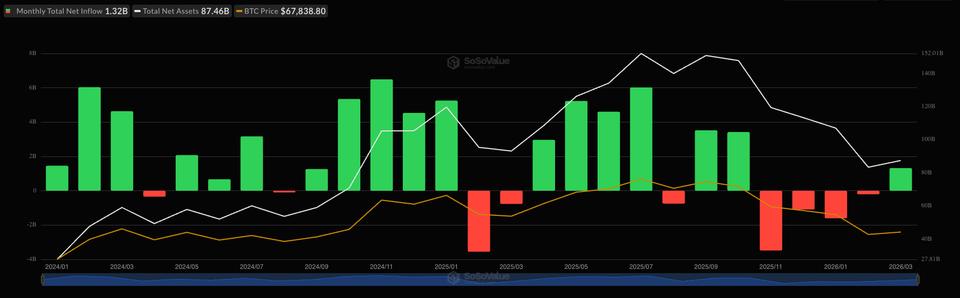
比特币ETF重现净流入 市场情绪持续回暖
比特币ETF自去年10月以来首次出现月度净流入,标志着市场情绪显著回暖。机构投资者信心回升,价格稳定助力资金回流。
Bitcoin结束5个月连跌!4月BTC价格关键点位解析
比特币迎来转机!BTC结束长达5个月的下跌趋势,4月关键支撑与阻力位全面解析。投资者必看的加密货币价格走势分析。