Tech Stock Divergence Intensifies: US Equity Bubble Risk Looms
An in-depth analysis of US stock market structural issues, comparing NASDAQ vs Dow Jones performance and evaluating Magnificent Seven valuations amid AI-driven concerns.
Tech Stock Divergence Intensifies: US Equity Bubble Risk Looms
The US stock market is currently exhibiting pronounced structural characteristics, with technology stocks and traditional blue-chip equities moving in increasingly divergent directions. Fueled by the artificial intelligence revolution, the tech-centric NASDAQ Composite Index continues to scale new historical highs, while the Dow Jones Industrial Average—populated by more traditional industrial names—has demonstrated comparatively muted performance. This stark divergence has sparked heightened market concern about potential valuation bubbles in the technology sector. Market participants are now asking a critical question: Against a backdrop of uncertain Federal Reserve rate policy, has this AI-driven tech rally already reached its peak? And how should investors position their portfolios for 2025?
1. NASDAQ vs Dow Jones: A Tale of Two Markets
Since the latter half of 2024, the US stock market has witnessed an increasingly pronounced sector rotation phenomenon. The NASDAQ Composite Index, heavily weighted toward technology stocks, has delivered robust gains, continuously setting new record highs. In contrast, the Dow Jones Industrial Average—a blue-chip index dominated by legacy industrial and financial names—has significantly lagged behind. Market data indicates the year-to-date performance gap between these two major indices has reached several dozen percentage points, representing an extreme divergence pattern rarely seen in recent years.
This divergence reflects a clear shift in capital allocation. Investors are channeling funds into what they perceive as AI and technology-driven growth opportunities, while traditional sectors have seen comparatively limited interest. The resulting performance gap speaks to the market's concentrated optimism around technology as the primary engine of future economic growth.
2. The Magnificent Seven: Dominance and Valuation Concerns
The "Magnificent Seven"—Apple, Microsoft, Nvidia, Amazon, Alphabet, Meta, and Tesla—have become the undisputed anchors of US equity market capitalization. Together, these seven technology giants now command an unprecedented share of the S&P 500 index, fundamentally shaping overall market performance.
Nvidia has emerged as the poster child of the AI investment theme. The company's dominant position in AI accelerator chips has driven extraordinary revenue and earnings growth. However, its valuation metrics have raised eyebrows among some analysts, with trading multiples reflecting exceptionally high investor expectations for continued growth.
Apple continues to demonstrate resilience as the world's most valuable company, though regulatory headwinds in various jurisdictions remain a watching factor. The tech giant's services segment provides a growing revenue buffer alongside its hardware business.
Microsoft has positioned itself strongly in the AI race through strategic investments in OpenAI and integration of AI capabilities across its product suite. Cloud computing expansion via Azure remains a key growth driver.
Amazon, Alphabet, and Meta are each racing to incorporate generative AI into their advertising platforms, cloud services, and consumer products—efforts that could unlock significant new revenue streams.
Tesla represents the more speculative end of the Magnificent Seven, with EV market maturation and increasing competition creating both opportunities and challenges for the electric vehicle pioneer.
3. Is an AI-Driven Tech Bubble Forming?
The current market environment has ignited a vigorous debate: Are we witnessing the early stages of an AI-induced technology bubble reminiscent of the dot-com era?
Bullish arguments center on the premise that AI represents a genuinely transformative general-purpose technology, not merely speculative hype. Proponents argue that the productivity gains and business model innovations enabled by AI justify elevated valuations for companies at the forefront of this technological revolution.
Skeptics, however, point to unsettling parallels with historical bubble episodes. They note that the Magnificent Seven's collective market capitalization has reached levels that dwarf the broader economy's capacity to generate corresponding earnings. The concentration of market gains in a handful of mega-cap stocks—rather than broad-based participation—mirrors patterns observed in previous market peaks.
4. S&P 500 Pullback Risk: What the Indicators Say
Multiple technical and fundamental indicators suggest elevated risk levels in the current market environment:
- Valuation Extremes: The S&P 500's price-to-earnings ratio stands significantly above its long-term historical average, indicating that prices have outpaced underlying corporate earnings growth.
- Market Breadth Weakness: Despite headline index gains, a diminishing number of stocks are participating in the rally—a classic warning sign of potentially unsustainable market moves.
- Volatility Suppression: The VIX volatility index remains near historic lows even as prices hover near all-time highs, suggesting complacence that could prove misplaced.
These conditions do not necessarily predict an imminent correction, but they do counsel caution and disciplined risk management.
5. 2025 Investment Strategy: Navigating Uncertainty
For investors formulating their 2025 strategy, several considerations merit attention:
Position Sizing: Given the concentration of gains in technology stocks, prudent portfolio construction suggests avoiding excessive allocation to a single sector or factor. Diversification across geographies and asset classes can help mitigate single-point-of-failure risks.
Quality Over Momentum: Amid growing uncertainty, prioritizing high-quality companies with strong balance sheets, consistent free cash flow generation, and durable competitive moats may serve investors better than purely momentum-driven strategies.
Rate Sensitivity: The trajectory of Federal Reserve monetary policy remains a critical variable. Technology stocks, particularly those with longer-dated cash flows, tend to be more sensitive to interest rate movements. Monitoring Fed communications and economic data will be essential.
Tactical Flexibility: Maintaining some dry powder for opportunistic positioning—whether to capitalize on market dislocations or to take profits during rallies—provides optionality in an uncertain environment.
Long-Term Perspective: While short-term volatility and potential corrections are legitimate concerns, investors with long time horizons should remember that equities have historically rewarded patience despite periodic drawdowns.
Conclusion
The current US stock market presents a complex landscape characterized by extraordinary technology sector leadership alongside legitimate valuation concerns. The divergence between the NASDAQ and Dow Jones, the dominant influence of the Magnificent Seven, and the AI-driven investment narrative collectively shape the market's immediate trajectory.
While the AI revolution may indeed represent a transformative technological shift, prudent investors would be wise to approach current market levels with appropriate caution. Diversified positioning, quality-focused stock selection, and disciplined risk management will be key to navigating whatever volatility lies ahead in 2025.
Disclaimer
This article is for informational purposes only and does not constitute investment advice. Financial markets involve risks, and investment decisions should be made with careful consideration. Market data and perspectives are current as of the time of writing and subject to change.
Start Your Trading Journey
Yayapay provides secure and convenient global asset trading services. Register Now →
标签
继续阅读
同栏目延伸阅读
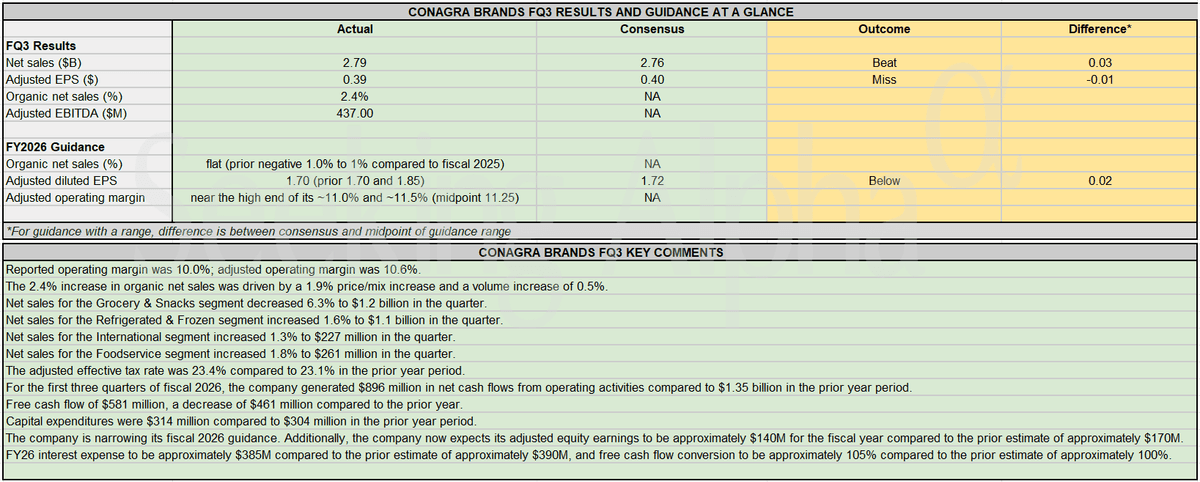
Conagra Q3财报:营收超预期但EPS不及预期
Conagra Brands公布2024财年Q3财报,营收超预期但每股收益低于预期,公司小幅收窄FY26业绩展望,股价承压。
AI浪潮下的华尔街投资机遇:Nvidia产业链全景解析与美股布局
深度解析AI芯片龙头Nvidia产业链崛起对美股板块格局的深远影响,全面探讨产业链上下游投资机会与风险,为投资者提供参考。

美联储官员放鹰美股承压回调 科技股估值面临调整
美联储官员密集释放鹰派信号,三大股指集体承压回调。科技股普遍承压,纳斯达克指数跌幅明显。分析短期调整性质及科技股估值风险,后市关注通胀数据与政策走向。

NVDA财报超预期点燃AI芯片股 纳斯达克指数创新高
英伟达财报业绩超预期,数据中心业务强劲增长,AI芯片板块集体走强,纳斯达克指数受科技股带动创新高,市场展望分析
